
This article covers common health issues In aquatic pets and how to prevent and treat them. Aquatic pets, such as fish, turtles, and amphibians, can face a variety of health challenges in their underwater or semi-aquatic environments. Common issues include fungal infections, parasites, swim bladder disorders, and poor water quality leading to stress-related illnesses. Prevention involves maintaining clean water conditions, providing a balanced diet, and regular tank maintenance. Treatment often includes specific medications for infections, adjusting water parameters, and offering appropriate nutrition. Understanding these common health concerns and their prevention and treatment methods is crucial for ensuring the well-being and longevity of our underwater companions.
Bacterial Infections
Bacterial infections are a common health issue affecting aquatic pets, particularly fish and amphibians. These infections often occur due to poor water quality, stress, or injuries. Symptoms may include redness, swelling, lesions, fin rot, or behavioral changes.
Prevention:
- Water Quality: Regularly test water parameters and maintain appropriate levels of ammonia, nitrites, and nitrates.
- Quarantine: Introduce new aquatic animals to a separate quarantine tank before adding them to the main tank.
- Clean Environment: Ensure a clean tank by regular water changes and proper filtration.
- Stress Reduction: Reduce stressors like overcrowding, aggressive tankmates, or sudden changes in water temperature.
Treatment:
- 1-Isolation: Move the infected fish to a quarantine tank to prevent the spread of the infection.
- 2-Medication: Use antibiotics prescribed for fish, such as those containing erythromycin or tetracycline.
- 3-Improved Water Conditions: Continue with regular water changes and maintain optimal water quality.
- 4-Dietary Supplements: Provide nutritious food to boost the fish’s immune system.
Always follow the instructions on medication labels and consult with a veterinarian experienced in aquatic animal care if the infection persists or worsens. Early detection and prompt treatment are crucial for successful recovery from bacterial infections in aquatic pets.
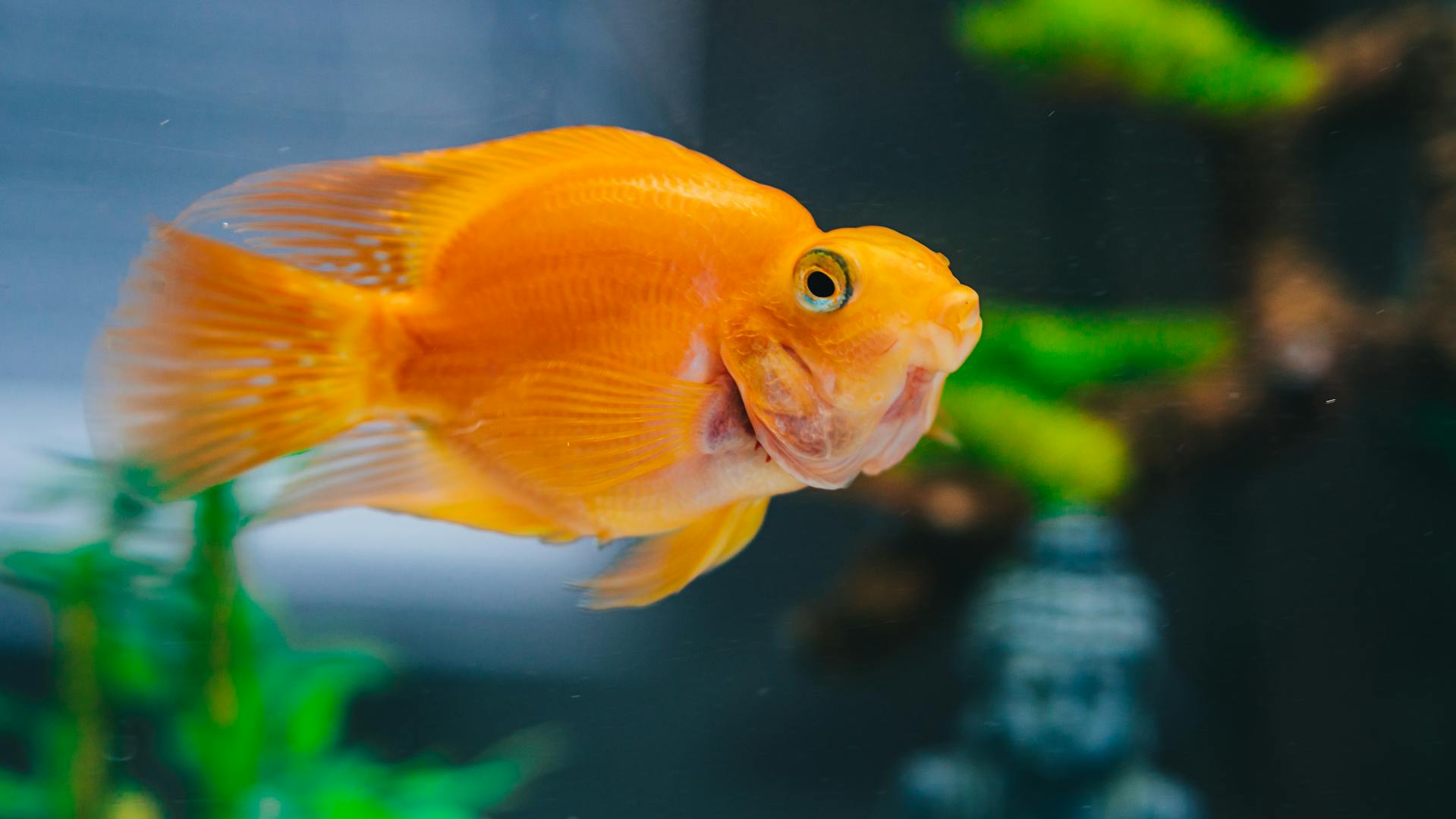
Anchor Worm
Anchor worm, also known as Lernaea, is a common parasitic infection that affects freshwater fish. These parasites appear as tiny thread-like creatures with a forked tail, resembling an anchor, hence the name “anchor worm.” They attach themselves to the fish’s skin and mucous membranes, causing irritation, inflammation, and potential secondary infections.
Symptoms:
- Visible Worms: Look for thin, thread-like worms sticking out from the fish’s body, especially around the fins and gills.
- Inflammation: Redness, swelling, and irritation around the attachment site.
- Behavioral Changes: Fish may rub against objects in the tank to alleviate itching.
Prevention:
- Quarantine New Fish: Always quarantine new fish before introducing them to the main tank to prevent the spread of parasites.
- Clean Tank: Maintain good water quality through regular water changes and proper filtration.
- Healthy Diet: Provide a balanced and nutritious diet to help fish maintain their immune system.
Treatment:
- Physical Removal: Gently remove the visible anchor worms using fine tweezers, being careful not to leave any parts behind.
- Medication: Treat the entire tank with anti-parasitic medications designed to kill anchor worms. Look for treatments containing praziquantel or potassium permanganate.
- Isolation: If possible, isolate infected fish in a separate quarantine tank during treatment to prevent the spread of parasites.
Tank Maintenance:
- Disinfection: After removing the anchor worms, disinfect any equipment that came into contact with the infected fish.
- Observation: Monitor the tank closely for any signs of recurring infections or new cases.
Regular observation, proper hygiene, and timely treatment are essential in managing anchor worm infections. Always follow the instructions on medications carefully and consider consulting with a veterinarian specializing in fish health for severe cases or recurring infections.
Viral Infections
Viral infections can be particularly challenging for aquatic pets, such as fish, turtles, and amphibians. Common viral diseases include viral hemorrhagic septicemia (VHS) in fish, ranavirus in amphibians, and herpesvirus in turtles. Symptoms vary widely but may include abnormal swimming behavior, skin lesions, lethargy, and loss of appetite. Prevention involves strict quarantine protocols for new additions, regular water quality maintenance, and minimizing stressors. Unfortunately, there are limited treatment options for viral infections in aquatic pets. Supportive care, such as maintaining optimal water conditions, providing proper nutrition, and isolating infected individuals, can help manage symptoms. Consulting with a veterinarian specializing in aquatic animal health is crucial for accurate diagnosis and guidance on handling viral infections in aquatic pets.
Dropsy
Dropsy, also known as “ascites” or “bloat,” is a serious condition affecting fish, characterized by the accumulation of fluid in the body cavities, leading to swelling and a pinecone-like appearance. This condition can be caused by various factors, including bacterial, viral, or parasitic infections, poor water quality, organ failure, or underlying diseases.
Symptoms:
- Swollen Body: Fish appear bloated, with scales sticking out (pinecone appearance).
- Protruding Scales: Scales may appear raised due to the swelling.
- Lethargy: Fish may become sluggish and less active.
- Loss of Appetite: Refusal to eat or difficulty in swimming due to the bloating.
Prevention:
- Water Quality: Maintain clean water with regular testing and appropriate filtration.
- Quarantine: New fish should be quarantined before introducing them to the main tank.
- Healthy Diet: Provide a balanced diet to boost the fish’s immune system.
Treatment:
- Isolation: Move the affected fish to a quarantine tank to prevent the spread of infection.
- Epsom Salt Bath: A bath with Epsom salt (1 tablespoon per 5 gallons) can help reduce swelling.
- Antibiotics: Treat with antibiotics if a bacterial infection is suspected.
- Improving Water Conditions: Conduct partial water changes to improve water quality.
- Dietary Changes: Offer easily digestible foods like peas, or consider fasting the fish for a day or two.
Consulting a Veterinarian:
For severe cases of dropsy or if the fish’s condition does not improve, consulting a veterinarian experienced in fish care is recommended. They can provide specific treatment options, such as prescription medications or further diagnostic tests.
Early detection and prompt treatment are crucial in managing dropsy in fish. However, the prognosis can vary depending on the underlying cause and the fish’s overall health.
Freshwater Ich
Freshwater ich, or Ichthyophthirius multifiliis, is a common parasitic infection affecting freshwater fish. Also known as “white spot disease,” it is caused by a protozoan parasite and manifests as tiny white cysts on the fish’s body, fins, and gills. These cysts cause irritation, leading to scratching against objects in the tank and potential secondary infections.
Symptoms:
- White Spots: Small white dots resembling grains of salt on the fish’s body.
- Scratching: Fish may rub against objects or substrate in an attempt to alleviate itching.
- Lethargy: Decreased activity levels and loss of appetite.
- Clamped Fins: Fins may appear held close to the body.
Prevention:
- Quarantine: New fish should be quarantined before introducing them to the main tank.
- Water Quality: Maintain clean water conditions with proper filtration and regular water changes.
- Stress Reduction: Minimize stressors such as overcrowding, sudden temperature changes, or aggressive tankmates.
Treatment:
- Medication: Use anti-parasitic medications specifically designed to treat ich, such as those containing formalin or malachite green.
- Temperature Increase: Raising the water temperature to 82-86°F (28-30°C) for several days can accelerate the lifecycle of the parasite, making it more susceptible to medication.
- Salt Treatment: Some aquarists use aquarium salt (sodium chloride) at a concentration of 1-3 teaspoons per gallon as a treatment.
Tank Maintenance:
- Vacuum Gravel: Remove any visible cysts during water changes.
- Monitor: Keep a close eye on water parameters and fish behavior during and after treatment.
Gill Mites
Gill mites, or Dactylogyrus, are tiny parasitic organisms that target the gills of freshwater fish, causing irritation, inflammation, and respiratory distress. Infected fish may exhibit symptoms such as labored breathing, flashing (rubbing against objects), and reduced activity. These mites are often introduced to tanks through new fish or plants. Prevention involves quarantining new additions, maintaining clean water conditions, and regular tank maintenance. Treatment includes using anti-parasitic medications specifically formulated for gill mites. Conducting a thorough cleaning of the tank and equipment is also necessary to prevent re-infestation. Consulting with a veterinarian specializing in fish health is advisable for severe cases.
Clamped Fin
A clamped fin is a condition in which a fish holds its fins close to its body instead of displaying them in a normal, open position. It can be caused by various factors, including poor water quality, stress, bacterial or fungal infections, and parasitic infestations. Fish with clamped fins may appear lethargic, have reduced appetite, and show signs of distress. To address clamped fin, improve water conditions through regular testing and water changes. Treat underlying infections with appropriate medications and reduce stressors in the tank environment. Providing a balanced diet and a stress-free environment can aid in the fish’s recovery.
Fungus
Fungal infections are a common health issue in aquatic pets, such as fish, amphibians, and turtles. These infections typically occur when fish or their environment are stressed, leading to a weakened immune system. Fungi, such as Saprolegnia and Ichthyophonus, can then take advantage of these conditions to infect the skin, fins, or gills of the aquatic pet.
Symptoms:
- White Cottony Growth: Fuzzy patches on the skin, fins, or mouth.
- Redness or Inflammation: Around affected areas.
- Lethargy: Fish may become less active.
- Loss of Appetite: Refusal to eat or difficulty in swimming.
Prevention:
- Clean Environment: Maintain good water quality with regular water changes and proper filtration.
- Stress Reduction: Minimize stressors like overcrowding, sudden changes in water parameters, or aggressive tankmates.
- Quarantine: Introduce new aquatic animals to a separate tank for observation before adding them to the main tank.
Treatment:
- Medication: Use antifungal medications designed for aquatic pets, such as those containing malachite green or potassium permanganate.
- Salt Bath: A mild salt solution (1-3 teaspoons per gallon) can help treat fungal infections.
- Improved Water Conditions: Continue with regular water changes to remove fungal spores from the environment.
- Isolation: If possible, isolate infected individuals to prevent the spread of the fungus.
Tank Maintenance:
- Cleaning: Remove any decaying organic matter from the tank, as it can harbor fungal spores.
- Observation: Monitor other tank inhabitants for signs of infection.
Consulting with a veterinarian experienced in aquatic animal care is advisable for severe or persistent fungal infections. Early detection and treatment are key to managing fungal infections and ensuring the health and well-being of aquatic pets.
Pop Eye (Exophthalmia)
Pop Eye, medically known as Exophthalmia, is a condition commonly observed in fish where one or both eyes protrude from the sockets. This swelling can result from a variety of underlying issues, including bacterial infections, poor water quality, physical trauma, or even nutritional deficiencies.
Symptoms:
- Bulging Eyes: Eyes protruding from the sockets, sometimes to a significant degree.
- Cloudiness: Eyes may appear cloudy or hazy.
- Redness: Inflammation or redness around the affected eye.
- Behavioral Changes: Fish may exhibit lethargy or reduced appetite.
Causes:
- Bacterial Infections: Such as Flavobacterium columnare or Aeromonas.
- Poor Water Quality: High levels of ammonia, nitrites, or nitrates.
- Physical Trauma: Injuries to the eye from tank decor or aggressive tankmates.
- Nutritional Deficiencies: Lack of essential vitamins or minerals.
Prevention:
- Water Quality: Maintain optimal water conditions with regular testing and water changes.
- Quarantine: New fish should be quarantined before introducing them to the main tank.
- Safe Environment: Remove sharp objects or aggressive tankmates that could cause injuries.
- Balanced Diet: Ensure fish receive a varied and nutritious diet.
Treatment:
- Isolation: Move the affected fish to a quarantine tank to prevent the spread of infection.
- Antibiotics: Treat with antibiotics prescribed for fish, such as those containing tetracycline or erythromycin.
- Epsom Salt Bath: A bath with Epsom salt (1 tablespoon per 5 gallons) can help reduce swelling.
- Improved Water Conditions: Conduct frequent water changes to maintain clean water.
Tank Maintenance:
- Clean Tank: Regularly clean the tank, remove debris, and vacuum the substrate.
- Observation: Monitor other fish for signs of illness or injury.
Consulting with a veterinarian specializing in aquatic animal care is recommended for severe cases of Pop Eye. Prompt treatment and addressing underlying causes are crucial for the fish’s recovery and overall well-being.
Skin Flukes
Skin flukes, also known as monogenean parasites, are common external parasites that affect freshwater and saltwater fish. These flatworms attach themselves to the fish’s skin and gills, causing irritation, inflammation, and secondary infections. Symptoms of skin fluke infestations include flashing (rubbing against objects), redness, excess mucus production, and fin erosion. Prevention involves maintaining good water quality, quarantining new fish, and regular tank maintenance. Treatment includes using anti-parasitic medications, such as those containing praziquantel or formalin. Conducting a thorough cleaning of the tank and equipment is also essential to prevent re-infestation. Consulting with a veterinarian experienced in fish health is recommended for proper diagnosis and treatment.
CO2 Poisoning
CO2 (carbon dioxide) poisoning can occur in aquariums when dissolved CO2 levels rise to toxic levels, usually due to improper CO2 injection or poor ventilation. Excess CO2 can displace oxygen, leading to suffocation and stress in aquatic pets. Symptoms of CO2 poisoning include fish gasping at the water surface, lethargy, loss of appetite, and potentially erratic swimming behavior.
Prevention and Treatment:
- Monitoring CO2 Levels: Use a CO2 drop checker or monitor to ensure CO2 levels remain within safe ranges (typically 20-30 ppm).
- Proper Ventilation: Ensure adequate surface agitation and water circulation to promote gas exchange.
- Reduce CO2 Injection: Adjust CO2 injection rates or consider using a timer to regulate CO2 supply.
- Emergency Measures: Immediately perform a partial water change with fresh, dechlorinated water to dilute CO2 levels and increase oxygenation.
- Observation: Monitor fish closely for signs of distress and provide supportive care, such as increasing aeration and ensuring optimal water quality.
Regular monitoring of CO2 levels and implementing proper ventilation measures are crucial in preventing CO2 poisoning and ensuring the well-being of aquarium inhabitants. If symptoms persist or worsen, consult with an experienced aquarist or veterinarian for further guidance.
Ammonia Poisoning
Ammonia poisoning is a common and potentially deadly issue in aquariums, particularly in newly established tanks or those with poor maintenance. Ammonia (NH3) is released into the water through fish waste, uneaten food, and decaying organic matter. At high levels, it becomes toxic to aquatic pets, causing damage to their gills, nervous system, and overall health.
Symptoms:
- Red or Inflamed Gills: Fish may show redness or inflammation in their gills.
- Gasping at the Surface: Fish might swim near the water’s surface, gasping for air.
- Lethargy: Reduced activity levels or sluggish behavior.
- Loss of Appetite: Refusal to eat or diminished interest in food.
- Clamped Fins: Fins held close to the body.
Prevention and Treatment:
- Proper Cycling: Ensure the aquarium is properly cycled before adding fish, allowing beneficial bacteria to establish and convert ammonia to less harmful substances.
- Regular Water Testing: Monitor ammonia levels using test kits and keep them below 0.25 ppm.
- Partial Water Changes: Perform routine water changes (10-25% weekly) to remove accumulated ammonia and other waste.
- Reduce Feeding: Avoid overfeeding to prevent excess ammonia production.
- Use of Ammonia Detoxifiers: In emergencies, use products that detoxify ammonia, such as those containing zeolite or ammonium chloride.
Emergency Measures:
- Immediate Water Change: If ammonia levels spike, perform a 25-50% water change with dechlorinated water to dilute the toxin.
- Increase Aeration: Improve oxygenation by increasing surface agitation with an air stone or adjusting filter flow.
- Sequester Fish: In severe cases, move affected fish to a cycled quarantine tank with clean, treated water.
Monitoring and Recovery:
- Regular Testing: Continue to monitor ammonia levels daily until they stabilize.
- Observation: Watch fish closely for signs of improvement or worsening symptoms.
- Patience: Allow time for the beneficial bacteria to establish and naturally process ammonia.
Seek advice from knowledgeable aquarium professionals or veterinarians if ammonia levels remain high or if fish show severe symptoms. Prompt action and consistent maintenance practices are crucial in preventing and managing ammonia poisoning in aquariums.
Cotton Mouth
Cotton Mouth, also known as Columnaris disease or Mouth Fungus, is a common bacterial infection affecting fish, particularly freshwater species. This disease is caused by the bacterium Flavobacterium columnare, thriving in stressed or weakened fish. Symptoms include white, cotton-like patches on the mouth, fins, or body, which can quickly spread and become necrotic. Affected fish may show signs of lethargy, loss of appetite, and inflammation.
Prevention:
- Water Quality: Maintain clean water conditions with regular testing and changes.
- Stress Reduction: Minimize stressors such as overcrowding, sudden changes in temperature, or aggressive tankmates.
- Quarantine: New fish should be quarantined before introducing them to the main tank.
Treatment:
- Medication: Treat with antibiotics effective against Flavobacterium, such as those containing erythromycin or tetracycline.
- Salt Bath: A mild salt solution (1-3 teaspoons per gallon) can help with external symptoms.
- Improved Water Conditions: Continue with regular water changes to aid in recovery.
Tank Maintenance:
- Clean Tank: Remove any decaying matter and vacuum the substrate.
- Isolation: Move infected fish to a quarantine tank to prevent the spread of the disease.
Consultation:
For severe cases or persistent infections, consult with a veterinarian specializing in fish health. Early detection and treatment are essential for managing Cotton Mouth and ensuring the health of aquarium inhabitants.
Hole In The Head
Hole in the Head disease, also known as Head and Lateral Line Erosion (HLLE), is a condition affecting freshwater and marine fish. It is characterized by the formation of small pits or craters, primarily on the fish’s head but also along its lateral line. The exact cause is not fully understood but is believed to be linked to poor water quality, stress, and nutritional deficiencies. Symptoms include visible holes or erosion on the fish’s head, reduced appetite, and behavioral changes. Prevention involves maintaining excellent water quality, providing a balanced diet rich in vitamins and minerals, and reducing stressors in the tank. Treatment includes improving water conditions, dietary supplements, and medications prescribed by a veterinarian specializing in fish health.
Related: Aquatic pet care requirements