
As a cockatiel owner, you know these charming birds are more than just pretty faces; they’re intelligent, inquisitive, and full of personality. But did you know that providing adequate mental and physical stimulation is just as crucial as a healthy diet and clean cage? Without it, cockatiels can quickly become bored, leading to destructive behaviors, stress, and even health issues. The good news? You can easily create enriching and engaging toys right at home. Here is a complete guide on cockatiel enrichment and foraging toys.
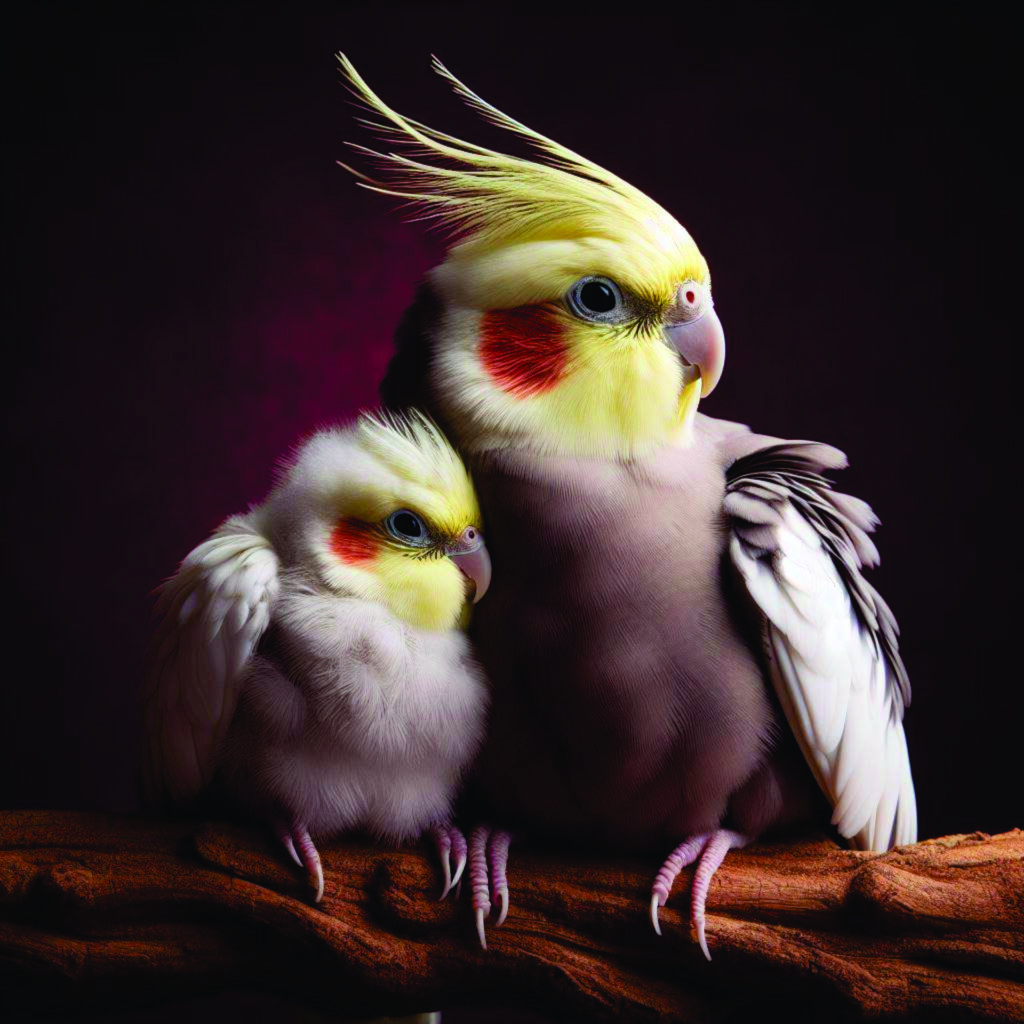
This comprehensive guide will walk you through the world of DIY cockatiel enrichment and foraging toys, helping you transform everyday materials into exciting adventures for your feathered friend.
Why Enrichment is Crucial for Your Cockatiel
Imagine being confined to a small space with nothing to do all day. That’s essentially what a cockatiel faces without proper enrichment. Providing stimulating toys offers a multitude of benefits:
- Prevents Boredom and Destructive Behaviors: A bored cockatiel might resort to feather plucking, excessive screaming, or chewing on inappropriate items (like your furniture!). Toys redirect this energy into positive outlets.
- Promotes Physical and Mental Health: Foraging and manipulating toys encourage physical activity, helping to maintain a healthy weight and strong muscles. Mentally, problem-solving keeps their minds sharp and engaged.
- Mimics Natural Behaviors: In the wild, cockatiels spend hours foraging for food, chewing on branches, and exploring their environment. DIY toys allow them to express these innate instincts in a safe, controlled setting.
Understanding Cockatiel Behavior and Needs
Before you start crafting, it’s helpful to remember your cockatiel’s natural instincts. They love to chew, shred, and solve simple puzzles. This understanding will guide your toy choices. Most importantly, safety is paramount when creating DIY toys. Always prioritize bird-safe materials and construction.
Essential Materials for DIY Cockatiel Toys: Your Bird-Safe Toolkit
The beauty of DIY toys is that many materials are readily available, often items you already have around the house. Here’s a list of safe and common materials:
- Bird-Safe Wood: Untreated pine, birch, or maple is an excellent choice for chewing. Avoid treated wood or cedar, as they can be toxic.
- Natural Fibers: Untreated sisal, jute, or hemp rope can be used for hanging or weaving. Always trim loose threads to prevent entanglement.
- Paper Products: Plain, uninked paper towel rolls, toilet paper rolls, paper bags, or shredded paper are fantastic for shredding and hiding treats.
- Food-Grade Plastic: Thoroughly cleaned empty spice containers, bottle caps, or small plastic bottles can be repurposed. Ensure there are no sharp edges.
- Stainless Steel Hardware: Quick links and small bells (ensure they are appropriately sized and can’t trap toes or be ingested) are ideal for hanging toys securely.
- Edible Components: Unshelled nuts, dried fruits (unsweetened, no sulfur dioxide), bird-safe seeds, and even their regular pellets can be used as hidden treasures.
- Tools: Scissors, a small drill (for wood or plastic), and pliers will be useful. Avoid using any toxic glues; if absolutely necessary, use non-toxic, pet-safe glues and ensure they are completely dry and cured before giving to your bird.
Types of DIY Cockatiel Enrichment Toys: Unleash Your Creativity!
Here are some fantastic DIY toy ideas categorized by their primary enrichment focus:
1. Shredding & Chewing Toys: The Ultimate Stress Relievers
Cockatiels are natural shredders. These toys provide a satisfying outlet for their chewing instincts:
- Paper Chains and Wreaths: Simply loop strips of paper together or tie them to form a wreath.
- Cardboard Rolls Stuffed with Paper: Stuff empty paper towel or toilet paper rolls with shredded paper, hay, or even safe dried leaves.
- Untreated Wood Blocks or Sticks: Offer small, untreated wood blocks or natural branches (thoroughly cleaned and sanitized).
- “Birdie Bagels”: Cut toilet paper rolls into rings and string them together or offer them individually for chewing.
- Pinecones: Collect pinecones, thoroughly clean them (wash with hot water and bake at 250°F for 30 minutes to sterilize), and offer for shredding.
2. Foraging Toys: Engaging Their Minds and Bodies
Foraging toys are excellent for mental stimulation, as they require your cockatiel to “work” for their food, mimicking natural behaviors.
- Simple Foraging (Beginner):
- Scattered Seeds: Start by simply scattering a small amount of their favorite seeds in a shallow dish, encouraging them to search.
- Treats Hidden in Shredded Paper: Place a few treats at the bottom of a small, bird-safe box or cup and cover with shredded paper.
- Millet Sprays Weaved: Weave small pieces of millet spray into the bars of their cage.
- Intermediate Foraging:
- Toilet Paper Roll Foraging: Cut small holes in a toilet paper roll, stuff with treats, and secure the ends. Your bird will have to chew or manipulate the roll to get the food out.
- Cardboard Box “Puzzles”: Create a simple “puzzle box” with multiple compartments from a small cardboard box, hiding treats in different sections.
- Suspended Foraging Skewers: Use a stainless steel skewer to offer chunks of bird-safe fruits, vegetables, or pellets.
- DIY “Foraging Wall”: Attach various textures (cardboard, paper, small wood blocks) and hiding spots to a cage side, then tuck treats into crevices.
- Advanced Foraging:
- PVC Pipe Foraging Toys: Drill holes into bird-safe PVC pipes, cap the ends, and place treats inside.
- Plastic Bottle Foraging: Use small, clean plastic bottles with tiny holes. When shaken or manipulated, treats will fall out.
- Homemade Foraging Wheels/Discs: With a bit more effort, you can create spinning foraging wheels that require your bird to spin them to access food.
- Complex Puzzle Boxes: Design multi-step puzzle boxes where your bird has to complete one action to unlock the next, eventually revealing a treat.
3. Perching & Climbing Toys: Promoting Physical Agility
- Natural Branches: Collect clean, untreated branches from bird-safe trees (e.g., apple, pear, maple). Thoroughly scrub and bake them.
- Sisal Rope Ladders and Swings: Braid sisal rope to create simple ladders or swings. Ensure the rope is tightly woven to prevent fraying.
- Cotton Rope Perches: While popular, monitor cotton rope perches closely for fraying, as loose threads can be ingested and cause impaction. Replace immediately if frayed.
4. Sound & Interaction Toys: Stimulating Their Senses
- Small Stainless Steel Bells: Securely attach small, clapper-free stainless steel bells to toys for auditory stimulation.
- Bottle Cap Rattles: Place a few bird-safe seeds inside a clean, small plastic bottle cap and securely glue another cap over it to create a rattle. Ensure no small parts can be ingested.
DIY Toy Construction & Safety Guidelines: Read Before You Create!
Safety is paramount when making cockatiel enrichment and foraging toys..
- Thoroughly Clean and Sterilize All Materials: Wash everything with hot, soapy water and rinse thoroughly. For natural materials like wood or pinecones, baking or boiling can further sterilize them.
- Avoid Toxic Materials: NEVER use zinc, lead (often found in galvanized metals), paints, varnishes, treated wood, or glues not specifically labeled as bird-safe.
- Ensure No Small Parts Can Be Ingested: If a toy part can fit into your cockatiel’s nostril, it’s too small and a choking hazard.
- Monitor Toys for Wear and Tear: Regularly inspect all toys for loose threads, sharp edges, or broken pieces. Replace or repair as needed.
- Introduce New Toys Gradually: Some cockatiels are initially wary of new items. Place new toys outside the cage first, then inside.
- Supervision During Play: Especially with new DIY creations, supervise your cockatiel to ensure they are interacting safely.
- Rotate Toys Regularly: To keep your cockatiel engaged, rotate toys every few days or weeks. This keeps their environment fresh and exciting.
Incorporating DIY Toys into Your Cockatiel’s Environment
- Placement within the Cage: Place toys at various heights, encouraging climbing and exploration. Ensure they don’t overcrowd the cage.
- Integrating Foraging into Daily Routine: Instead of simply putting food in a dish, gradually introduce foraging opportunities. This encourages natural behaviors.
- Observing Your Cockatiel’s Preferences: Pay attention to which toys your bird interacts with the most. Do they love to shred? Are they master problem-solvers? Tailor future creations to their favorites.
- The Importance of Variety: Offer a mix of chewing, shredding, foraging, and climbing toys to provide a well-rounded enrichment experience.
Conclusion: The Joy of a Happy, Engaged Cockatiel
This was all about cockatiel enrichment and foraging toys. Creating DIY enrichment and foraging toys for your cockatiel is a rewarding experience for both of you. Not only does it save money, but it also allows you to tailor toys specifically to your bird’s preferences and instincts. By providing a stimulating environment filled with safe, engaging toys, you’ll witness a happier, healthier, and more vibrant cockatiel. So, gather your bird-safe materials, unleash your creativity, and enjoy the endless joy of watching your feathered friend thrive
More: Decoding Canary Vocalizations: Understanding Canary’s Chirps, Trills, and Calls