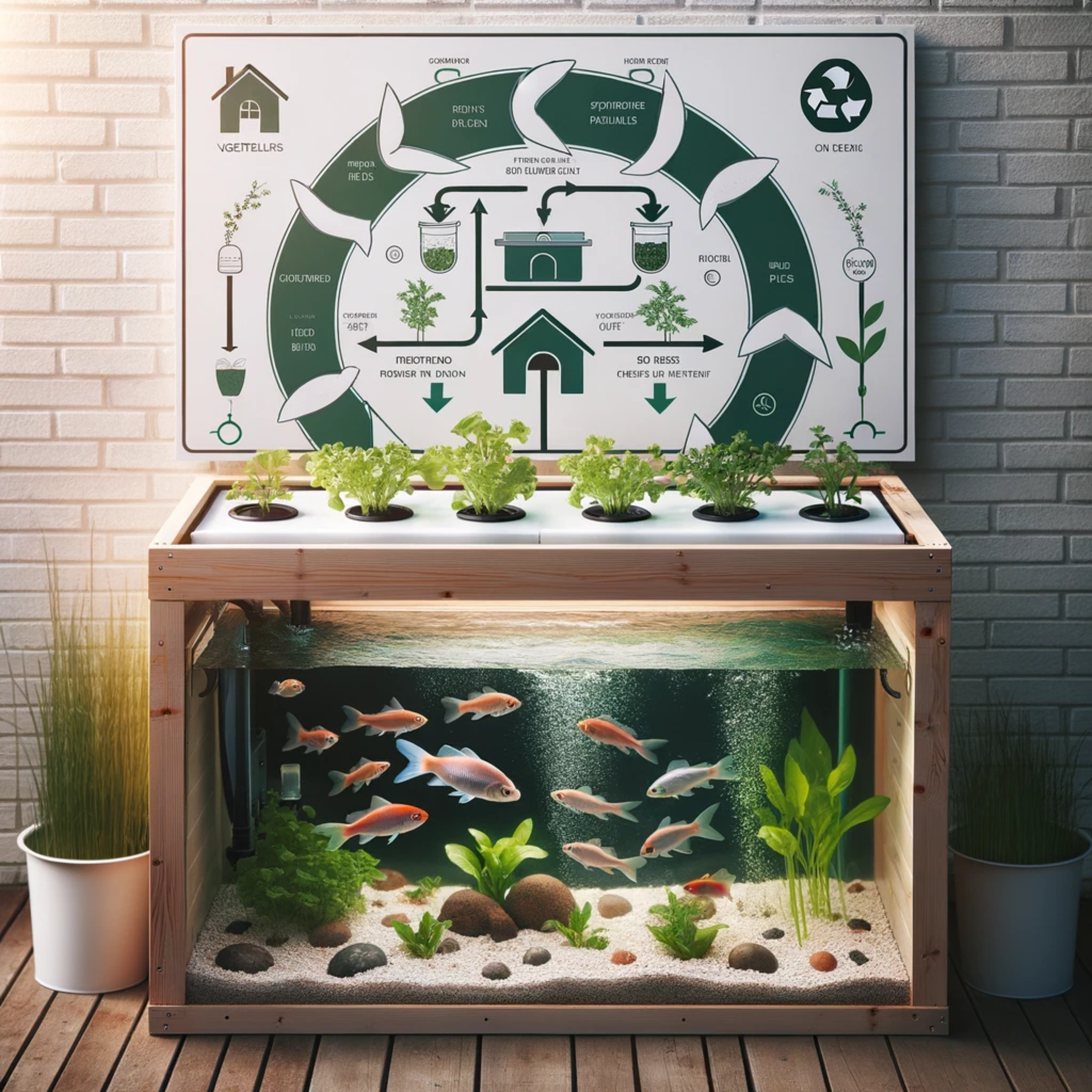
Aquatic pets bring a slice of underwater life into our homes, adding a serene and captivating touch to any environment. From vibrant fish to mesmerizing aquatic reptiles, there’s a diverse array of options to choose from. Freshwater fish, such as colorful Betta fish or lively guppies, are popular for their striking hues and ease of care. For those seeking more exotic companions, aquatic turtles or frogs offer a unique charm. However, each aquatic pet requires specific care to thrive. This includes maintaining proper water conditions, providing suitable habitats with filtration and heating systems, and offering a balanced diet. Understanding the needs of these underwater wonders ensures a harmonious and fulfilling relationship between pet and owner. This article is all about aquatic pets care requirements.
Red-Eared Slider Turtle

The Red-Eared Slider Turtle, known for its distinctive red stripes behind its eyes, is a popular choice among reptile enthusiasts. These turtles require careful consideration of their habitat and diet to ensure their well-being. An adequate tank size, typically around 75 gallons for adults, is crucial for their comfort and health. A basking area with a heat lamp, UVB lighting, and a water heater to maintain temperatures around 75-85°F (24-29°C) is essential. They are omnivores, requiring a varied diet of commercial turtle pellets, leafy greens, and occasional treats like insects or fish. Regular water changes and filtration are vital to maintain water quality. Furthermore, providing a dry area for basking and ample swimming space helps mimic their natural habitat, promoting a happy and healthy Red Eared Slider Turtle.
Freshwater Snail
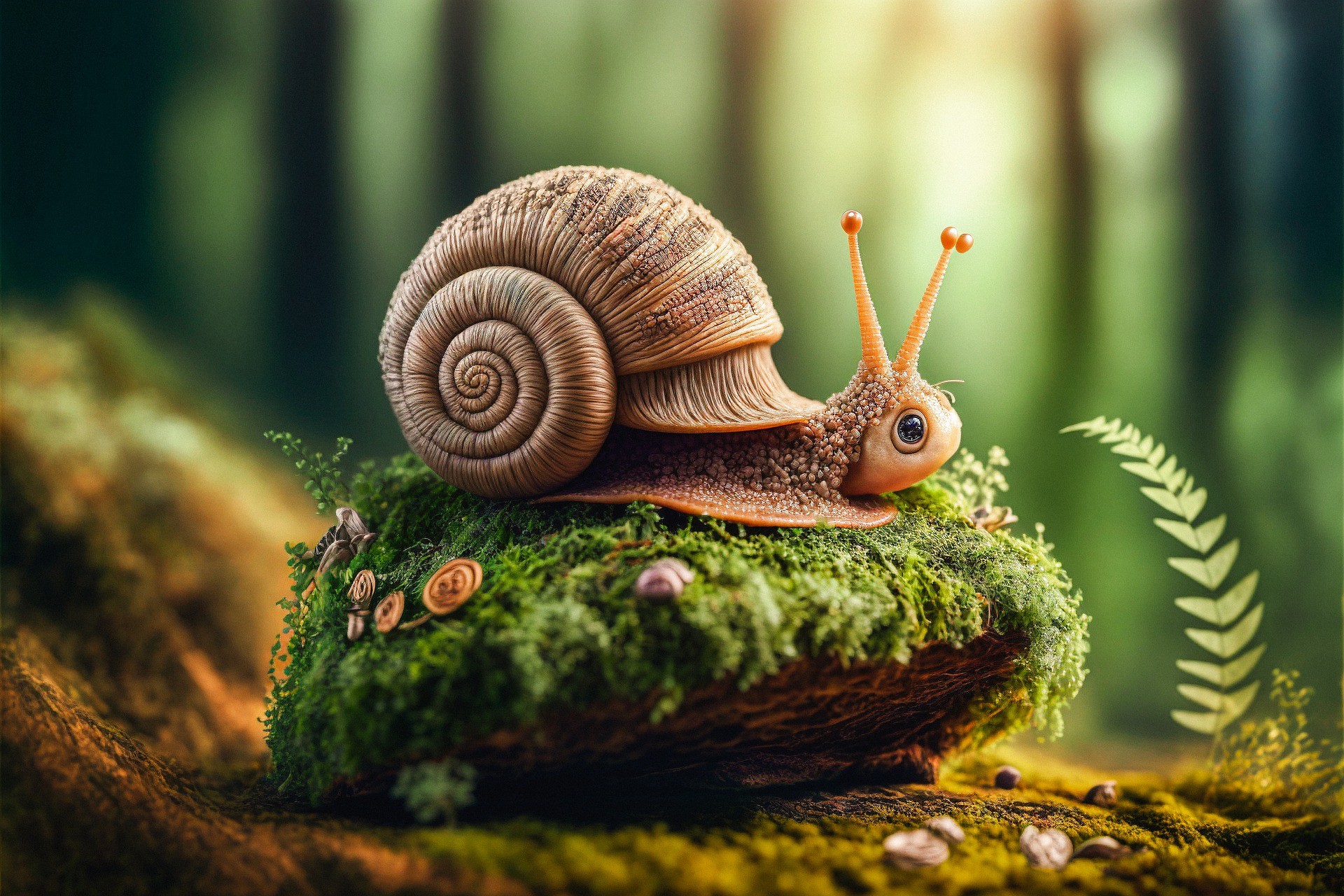
Freshwater snails can be delightful and beneficial additions to an aquarium, offering both aesthetic appeal and algae-eating services. They are generally low-maintenance pets but still require some care considerations. A suitable tank with clean, dechlorinated water and good filtration is vital. Snails are sensitive to water quality, so regular water changes and tank maintenance are essential.
Their diet consists mainly of algae and leftover fish food, but supplementing with blanched vegetables like zucchini or cucumber is beneficial. Avoid overfeeding, as excess food can degrade water quality.
Different species of freshwater snails have varying care requirements, so research the specific type you have. Popular varieties include Mystery Snails, Nerite Snails, and Ramshorn Snails. Ensure proper tank mates, as some fish species may prey on snails. With proper care, freshwater snails can thrive, adding charm and functionality to your aquarium ecosystem.
Octopus

Keeping an octopus as a pet is an incredibly fascinating but challenging endeavor. These intelligent and curious creatures require specialized care and environments to thrive. Before considering an octopus as a pet, it’s crucial to research extensively and be prepared for the commitment.
Octopuses need large, well-filtered tanks with plenty of hiding spots, such as caves and crevices. They are known escape artists, so secure lids are a must! The water quality should be pristine, with regular testing and maintenance.
Feeding an octopus can be a complex task, as they are voracious eaters with a diverse diet. They enjoy a variety of foods like shrimp, crabs, clams, and even small fish. Live food may be necessary for some species.
Octopuses are incredibly intelligent and require mental stimulation. Providing toys, puzzles, and activities can prevent boredom and encourage their natural behaviors.
Keep in mind that octopuses have relatively short lifespans, typically around 1-2 years for most species. Their care requires dedication, time, and a deep understanding of their behaviors. Always choose a reputable source when obtaining an octopus, as wild-caught specimens can have health issues and impact wild populations. If properly cared for, an octopus can be a rewarding and unforgettable pet.
Crabs
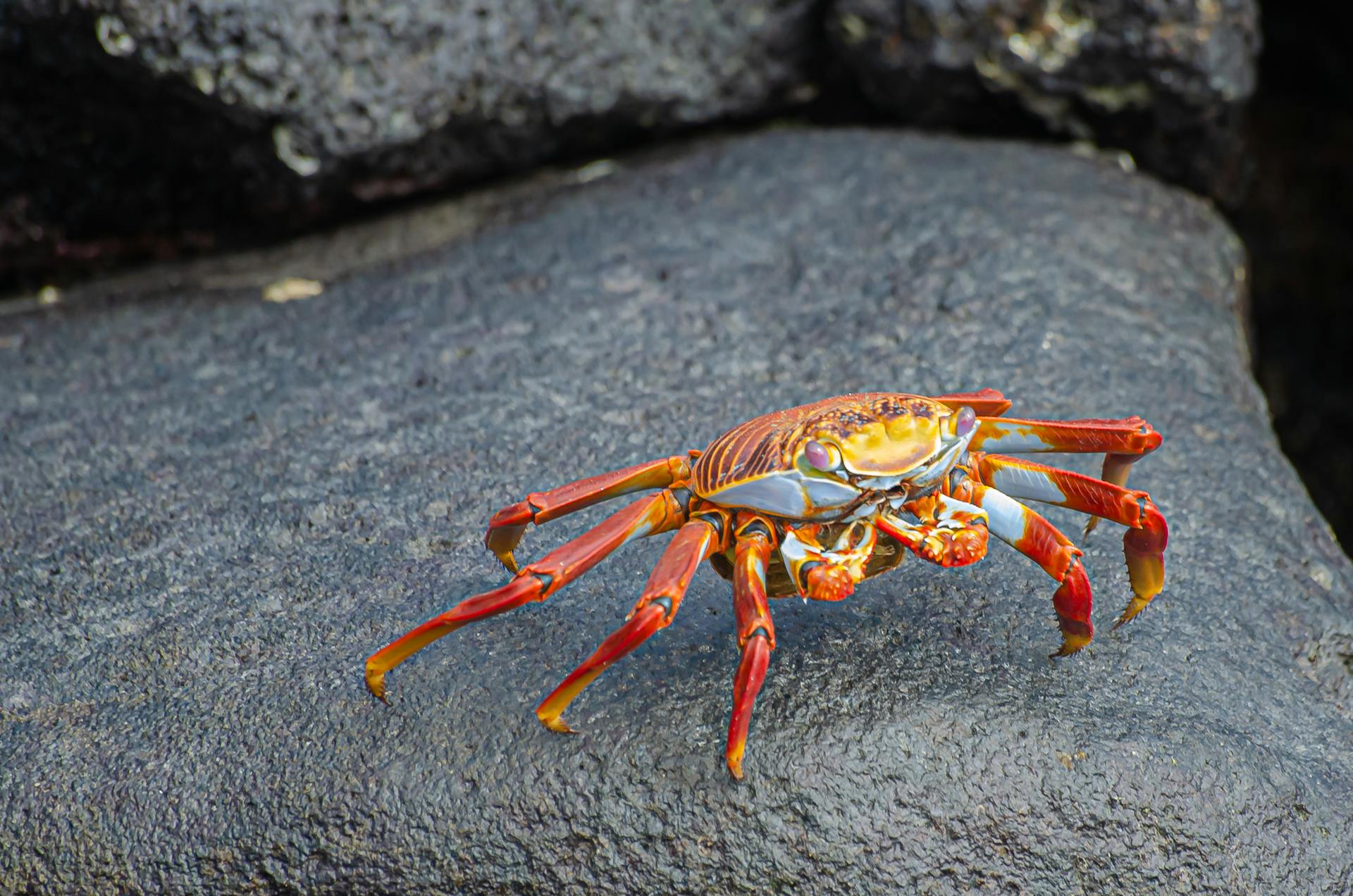
Crabs make intriguing and entertaining pets, known for their quirky behaviors and unique personalities. Popular species like Hermit Crabs are relatively low-maintenance, needing a suitable tank with a sandy substrate for burrowing and climbing. Providing shells of various sizes allows them to switch as they grow. Temperature and humidity control is crucial, with most species requiring warm, humid environments. A diet of commercial crab food, fresh vegetables, and occasional treats like shrimp or fruit keeps them healthy. Ensure regular tank cleanings and proper water quality to maintain their well-being. With proper care, crabs can thrive and make delightful additions to your aquarium.
The Betta

The Betta fish, also known as Siamese Fighting Fish, are prized for their stunning colors and elegant fins. These beautiful fish are relatively easy to care for, making them a popular choice for beginner aquarists. A Betta requires a tank with at least 5 gallons of water, preferably heated to around 78-80°F (25-27°C). They breathe air from the water’s surface, so ensure they have access to it.
Bettas are carnivores, enjoying a diet of high-quality Betta pellets or flakes supplemented with occasional treats like bloodworms or brine shrimp. It’s essential to avoid overfeeding.
Decorate their tank with silk or live plants, as Bettas enjoy resting on leaves and exploring hiding spots. However, avoid sharp decorations that could tear their delicate fins.
Although they are solitary and should generally be housed alone, some can coexist with peaceful tankmates like snails or certain fish species. Always monitor their interactions.
Regular water changes are crucial for Betta’s health, as they are sensitive to poor water quality. With proper care, a Betta fish can live a long and vibrant life, bringing joy and beauty to your home aquarium.
Gold Fish
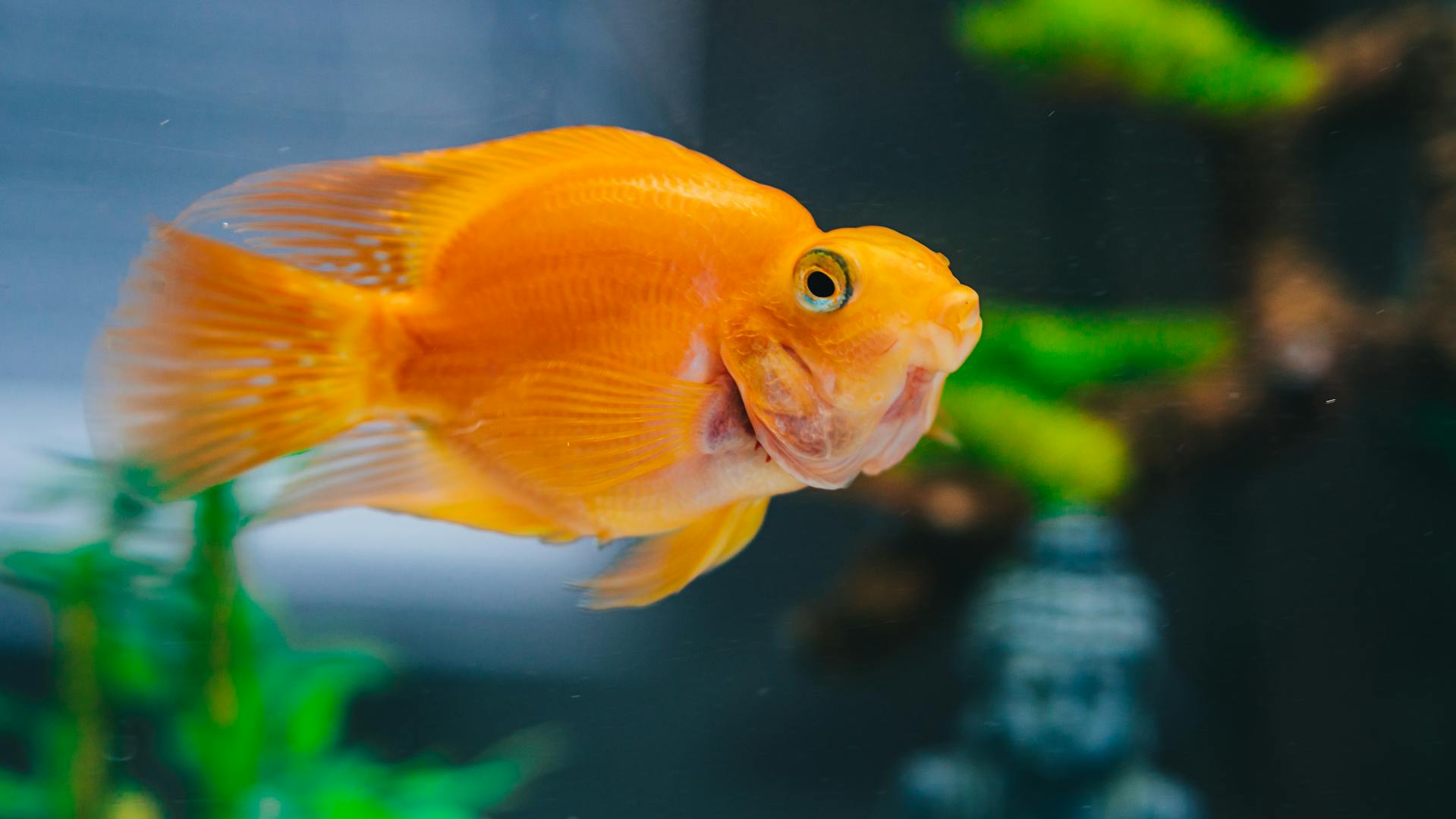
Goldfish are classic and beloved freshwater fish known for their vibrant colors and playful personalities. Despite their popularity, they require specific care to thrive. A spacious tank with a minimum of 20 gallons for the first fish and an additional 10-20 gallons per additional goldfish is necessary. These fish produce a lot of waste, so strong filtration is crucial. Goldfish thrive in temperatures between 65-75°F (18-24°C) and prefer well-oxygenated water. A varied diet of high-quality goldfish pellets, supplemented with vegetables like peas or blanched zucchini, supports their health. Regular water changes and tank maintenance are vital for their well-being and longevity.
Ocellaris Clownfish

Ocellaris Clownfish, also known as False Percula Clownfish, is a striking and iconic saltwater fish popularized by the movie “Finding Nemo.” These colorful fish are relatively easy to care for, making them ideal for beginner saltwater enthusiasts. They thrive in a tank of at least 20 gallons with live rock for hiding and perching. Clownfish are hardy and adaptable, tolerating a range of water conditions. They enjoy a varied diet of high-quality flakes or pellets, supplemented with occasional treats like frozen mysis shrimp or brine shrimp. Compatible with many tankmates, they can live peacefully in a community reef tank. Regular water changes and proper tank maintenance ensure their health and vitality.
Molly Fish

Mollies are lively and attractive freshwater fish, popular for their vibrant colors and active personalities. These hardy fish are excellent choices for beginner aquarists. They thrive in tanks of at least 10 gallons, ample swimming space, and live plants for hiding. Mollies prefer slightly brackish water, so adding a bit of aquarium salt is beneficial. They enjoy a varied diet of high-quality flakes or pellets, supplemented with vegetables like blanched zucchini or algae wafers. Mollies are livebearers, giving birth to live fry rather than laying eggs. They are peaceful but can be nippy, so choose tankmates carefully. Regular water changes and good filtration maintain their health and happiness.
Angelfish

Angelfish are graceful and striking freshwater fish, prized for their unique shape and elegant fins. These beauties are popular choices for medium to large community aquariums. Angelfish prefer tall tanks of at least 20 gallons with plenty of vertical swimming space. They thrive in slightly acidic water with temperatures around 75-82°F (24-28°C). Angelfish are omnivores, enjoying a varied diet of high-quality flakes, pellets, and frozen foods like bloodworms or brine shrimp. They can be territorial, so monitor tankmates carefully, choosing peaceful companions. Angelfish appreciate planted tanks for hiding and exploring. Regular water changes and good filtration maintain their vibrant colors and overall health.
Conclusion:
This was all about aquatic pets care requirements. Aquatic pets care requirements need a little bit of special attention. In conclusion, aquatic pets offer a captivating glimpse into the wonders of underwater life, each with its own unique charm and care requirements. Whether it’s the vibrant colors of Betta fish, the fascinating behaviors of octopuses, or the graceful elegance of Angelfish, there is a perfect aquatic companion for every enthusiast. Understanding the specific needs of these pets, from proper tank setup to suitable diets, is essential for their well-being and longevity. With dedication, research, and responsible pet ownership, the world of aquatic pets opens up a realm of beauty and fascination, creating rewarding and fulfilling experiences for both pet and owner alike.
Stay Connected With petsinfopro.com for more updates