
Socialization is a crucial aspect of a young parrot’s development, playing a vital role in shaping their behavior, personality, and future interactions. During the first few years of life, parrots are highly receptive to new experiences and learn essential skills from their environment and caregivers. Proper socialization helps young parrots develop confidence, trust, and emotional intelligence, enabling them to form strong bonds with humans and other birds. Inadequate socialization can lead to behavioral problems, fear, and aggression, making it essential for parrot owners and breeders to prioritize socialization from an early age. By understanding the importance of socialization, we can provide young parrots with the best possible start in life.
Why Is Socialization of Young Parrots Important?
Socialization of young parrots is important because it helps them develop essential skills and behaviors that shape their future interactions and relationships. Proper socialization enables parrots to become confident, calm, and trusting, leading to better behavior, reduced stress, and stronger bonds with humans and other birds. Socialization also helps parrots develop emotional intelligence, problem-solving skills, and adaptability, making them more resilient and better equipped to handle new situations.
Early Socialization of Parrots
Early socialization of parrots is a critical period that lays the foundation for their future behavior and personality. From hatch to 1-2 years old, parrots are most receptive to new experiences and learning. During this time, they learn to recognize and respond to various sounds, sights, and interactions. Socialization should include exposure to diverse environments, people, and animals, helping them develop confidence and calmness in new situations. Handling and interacting with multiple caregivers also helps them become trusting and affectionate. Early socialization sets the stage for a well-adjusted, friendly, and interactive parrot, making it an essential investment in their future well-being and relationship with humans.
Socialization Of Parrots With Other Birds And Humans
The socialization of parrots with other birds and humans is essential for their emotional and behavioral development. Parrots need to learn how to interact with their own species and other birds, as well as with humans, to become confident and calm in their presence. Socialization with other birds helps parrots develop important skills like flock behavior, communication, and conflict resolution. Socialization with humans helps parrots learn to trust, understand, and respond to human behavior, leading to strong bonds and a reduced risk of behavioral problems. A well-socialized parrot is more likely to be friendly, outgoing, and adaptable, making socialization a critical aspect of parrot care.
Socialization Role In Breeding
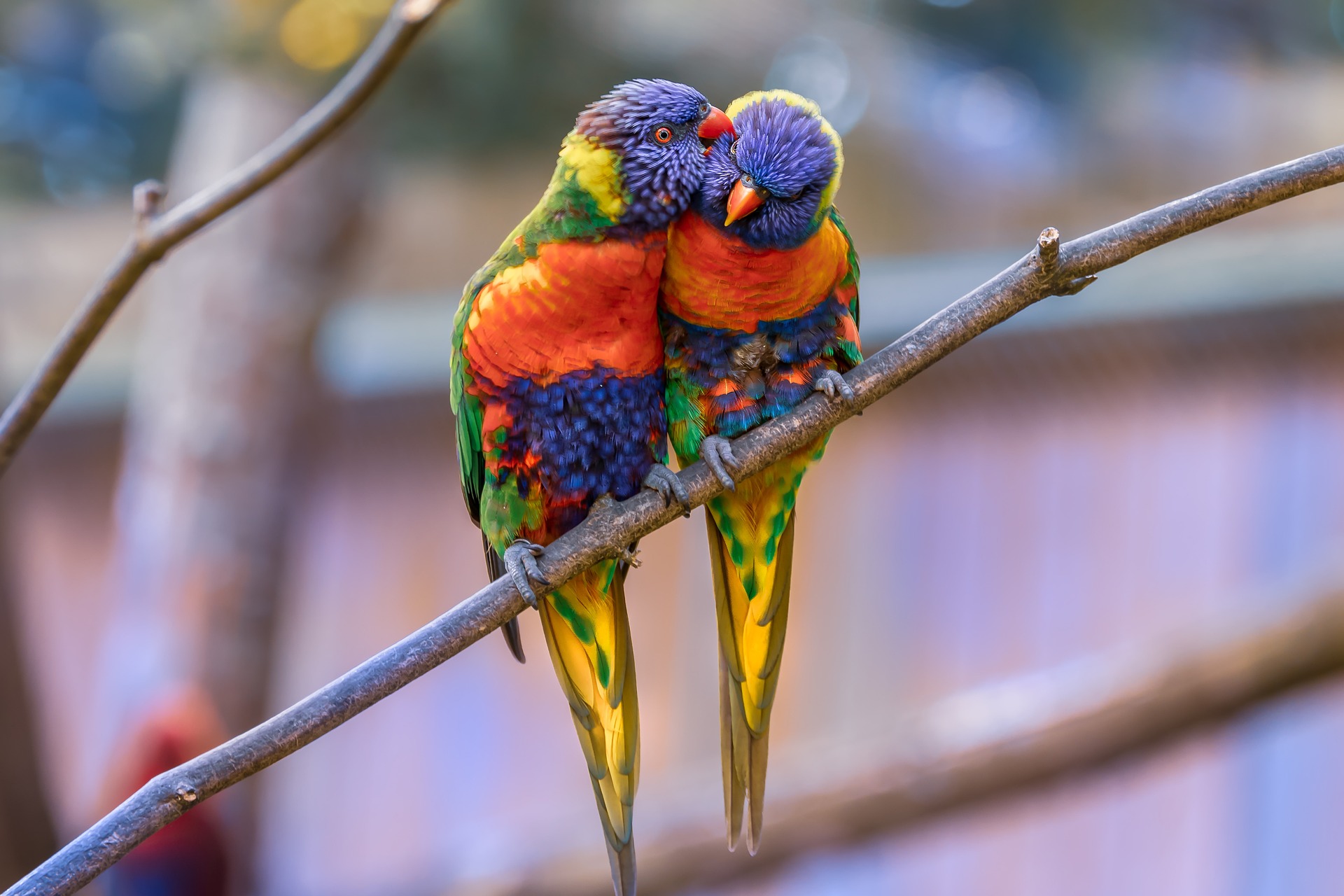
In breeding, socialization plays a vital role in producing healthy, well-adjusted offspring. Breeding birds that are well-socialized to humans and other birds are more likely to produce chicks that are confident, friendly, and easy to handle. Socialization of breeding birds helps reduce stress and anxiety, leading to improved breeding success and chick health. Additionally, socialized breeding birds are more likely to pass on good behavior and temperament to their offspring, making socialization a critical factor in producing high-quality, pet-friendly birds. By prioritizing socialization in breeding programs, breeders can improve the overall health and well-being of their birds and produce offspring that make great pets.
Take Extra Care If a Young or Baby Parrot Shows Discomfort while Socializing
If a young or baby parrot shows discomfort while socializing, it’s essential to take extra care. Signs of discomfort include squawking, feather ruffling, or trying to escape. If you notice these signs, slow down the socialization process and give the parrot space. Forcing socialization can lead to stress, anxiety, and even fear-based aggression. Instead, let the parrot approach and interact at its own pace. Offer treats and toys to associate socialization with positive experiences. Gradually increase interaction time, always prioritizing the parrot’s comfort and well-being. By doing so, you’ll help build trust and ensure a strong, healthy bond.
Allow Different Family Members To Feed The Parrot
Allowing different family members to feed the parrot is an excellent way to socialize it and promote bonding. By having various individuals provide food, the parrot learns to associate multiple people with positive experiences, reducing dependence on a single person. This approach also helps the parrot become more confident and calm in the presence of different family members. Start by having each person offer treats, then gradually introduce mealtime feeding. Ensure each family member uses a consistent feeding approach and interacts with the parrot in a gentle, calm manner. This shared responsibility strengthens the parrot’s bonds with the entire family.
Train Your Parrot To Step On New People Without Fear
Training your parrot to step onto new people’s hands without fear is a great way to socialize them. Start by having your parrot comfortable with stepping onto your hand. Then, introduce a new person, beginning with small interactions, such as offering treats. Gradually increase the new person’s involvement, having them offer treats while your parrot is on your hand. Next, have the new person place their hand next to yours, allowing your parrot to become familiar with their hand. Finally, encourage your parrot to step onto the new person’s hand, rewarding them with treats and praise. This builds trust and confidence.
Place Your Parrot’s Cage In a Place Mostly Crowded By Family Members

Placing your parrot’s cage in a crowded area frequented by family members is an excellent way to socialize your bird. This strategy exposes your parrot to various sights, sounds, and interactions, helping them become confident and calm in a bustling environment. Position the cage in a high-traffic area, like the living room or kitchen, where family members often gather. This will allow your parrot to observe and engage with different people, fostering a sense of security and familiarity. As family members move around, talk, and laugh, your parrot will learn to associate these sounds with a sense of safety and community, leading to a more social and friendly temperament.
How To Normalize Parrot When A New Owner Buys It?
When a new owner buys a parrot, normalizing the bird to its new environment is crucial. Start by placing the parrot in a quiet room with familiar toys and perches. Allow the parrot to explore and settle at its own pace. Gradually introduce new family members, one at a time, allowing the parrot to become comfortable with each person. Offer treats and positive reinforcement to associate the new environment with positive experiences. Provide a consistent routine, including regular feeding times, play, and sleep schedules. With patience and consistency, the parrot will adjust to its new home, building trust and a strong bond with its new owner. Monitor the parrot’s behavior and adapt the normalization process as needed.
More: Pigeon Behavior Decoded: Understanding Your Bird’s Signals