
Positive reinforcement training is a compassionate and effective approach to dog training that emphasizes rewarding desirable behaviors rather than punishing unwanted ones. Unlike traditional methods that often rely on correction and aversive techniques, positive reinforcement builds a strong, trusting relationship between the dog and owner through encouragement and rewards. By offering treats, praise, or playtime immediately after a desired behavior, dogs learn to associate positive outcomes with their actions, which enhances their motivation and willingness to repeat those behaviors. This method not only fosters a more enjoyable and stress-free training experience but also promotes long-term behavioral improvements. As more pet owners recognize the benefits of positive reinforcement, it is becoming a preferred method for training dogs of all ages and backgrounds, contributing to a healthier, happier, and more harmonious bond between humans and their canine companions.
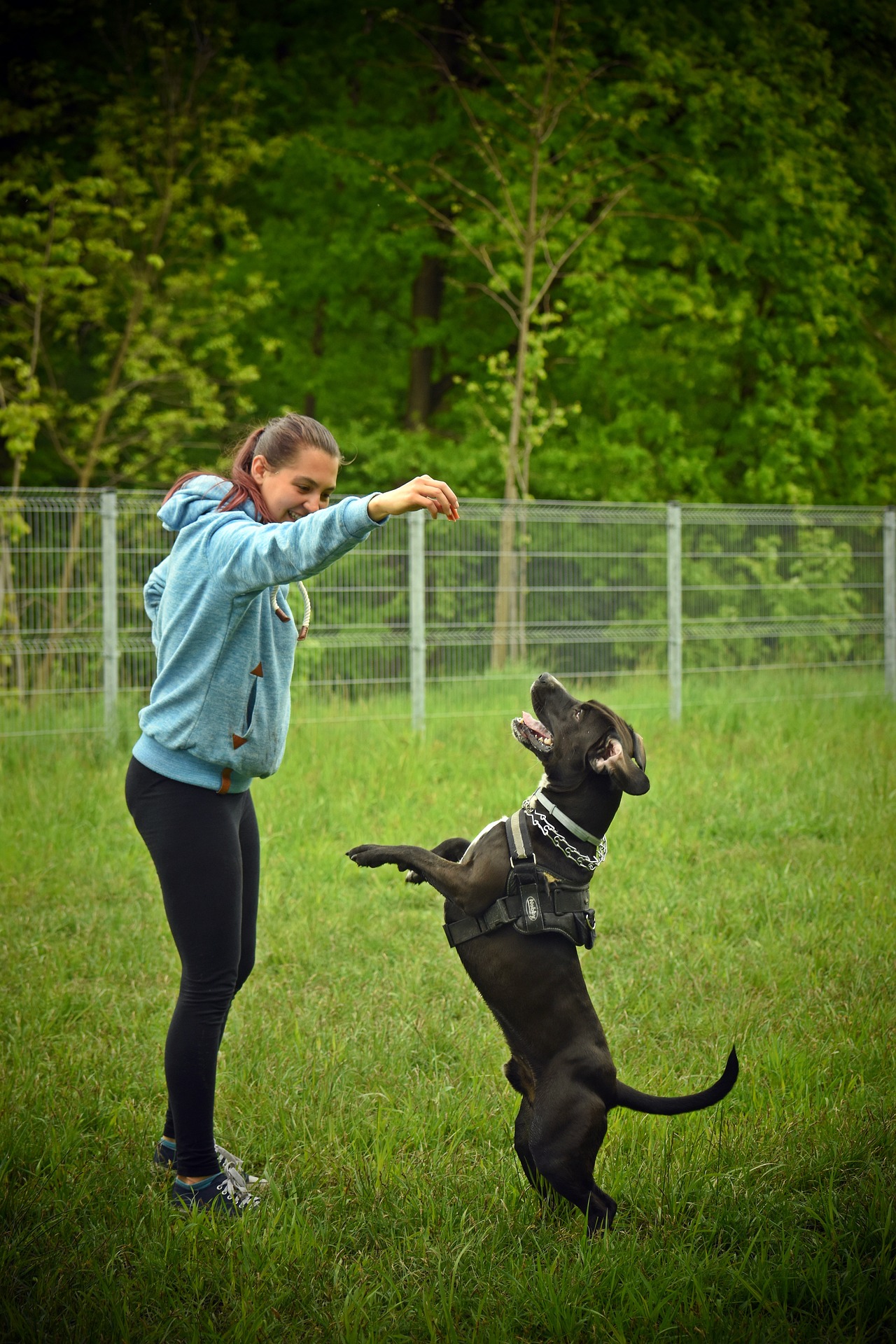
Benefits of Positive Reinforcement Training
Positive reinforcement training offers numerous benefits for both dogs and their owners. Firstly, it builds trust and strengthens the bond between them, creating a more cooperative and responsive relationship. By rewarding desired behaviors, dogs are encouraged to repeat those actions, leading to more effective and consistent training outcomes. This approach also reduces stress and anxiety, as it creates a positive and supportive environment rather than one of fear or punishment. Additionally, positive reinforcement enhances learning and retention, as dogs quickly grasp which behaviors lead to rewards. This method fosters a positive training atmosphere, keeping sessions enjoyable and motivating for the dog. Overall, positive reinforcement leads to a well-adjusted, confident, and obedient dog, while ensuring that the training process remains enjoyable and enriching for both the dog and its owner.
Tips for Effective Positive Reinforcement Training
Choose the Right Rewards: Select rewards that truly motivate your dog, such as their favorite treats, toys, or praise. Ensure the rewards are high-value and appealing, especially for challenging or new behaviors.
Timing and Consistency: Deliver rewards immediately after the desired behavior to help your dog make the connection between their action and the reward. Consistency is key; always reward the behavior you want to reinforce and avoid rewarding unwanted behaviors.
Set Realistic Goals: Break down complex behaviors into smaller, achievable steps. Start with simple commands and gradually build up to more complex tasks. Patience and persistence are essential for progress.
Avoid Common Mistakes: Be mindful of over-relying on treats, which can lead to dependence. Avoid inconsistencies, as they can confuse your dog and hinder training progress.
Incorporate Variety: Keep training sessions engaging by varying the rewards and exercises. This prevents boredom and maintains your dog’s enthusiasm for learning. Use a mix of treats, toys, and playtime to keep your dog motivated.
Techniques for Positive Reinforcement Training
- Clicker Training: Clicker training involves using a small device that makes a distinct sound (the click) to mark the exact moment a desired behavior occurs. This is followed by a reward, helping the dog associate the click with positive outcomes. Start by associating the clicker with treats, then use it to reinforce specific behaviors, gradually introducing new commands.
- Reward-Based Commands: Teach basic commands like “sit,” “stay,” and “come” by immediately rewarding your dog when they correctly perform the command. Use clear, consistent verbal cues and gestures, and reward promptly to reinforce the connection between the command and the behavior.
- Shaping and Luring: Shaping involves reinforcing incremental steps toward a desired behavior. For example, if teaching “roll over,” reward the dog for lying down first, then for rolling onto its side, and finally for completing the roll. Luring uses a treat or toy to guide the dog into the desired position, rewarding them as they follow the lure.
- Play and Interaction: Incorporate play into training by using games and interactive toys as rewards. This can be particularly effective for high-energy dogs who respond well to physical activity. Play sessions can also be used to reinforce commands and behaviors, making training more enjoyable and dynamic.
- Target Training: Teach your dog to touch a target, such as your hand or a specific object, with their nose or paw. This technique can be used to guide the dog into different positions or locations and can be helpful for teaching complex behaviors by breaking them down into manageable steps.
Success Stories
Here are a few success stories of positive reinforcement training for dogs:
Case Study 1: Overcoming Behavioral Issues
- Background: Max, a 3-year-old Labrador, exhibited aggressive behavior towards other dogs and struggled with separation anxiety.
- Training Approach: His owner used positive reinforcement to address these issues by rewarding calm behavior during walks and using treats to create positive associations with other dogs. For separation anxiety, short, positive departures and arrivals were reinforced.
- Results: Max’s aggression towards other dogs significantly reduced, and he became more relaxed during alone time. His owner noted a marked improvement in his overall demeanor and confidence.
Case Study 2: Training a Puppy
- Background: Bella, a 10-week-old puppy, needed basic obedience training and socialization.
- Training Approach: Using a combination of clicker training and reward-based commands, Bella was taught basic commands like “sit,” “stay,” and “come.” Playtime and praise were incorporated as rewards.
- Results: Bella quickly learned the commands and demonstrated excellent recall and obedience. Her socialization with other dogs and people was smooth, leading to a well-adjusted and responsive young dog.
Case Study 3: Rescue Dog Transformation
- Background: Charlie, a 5-year-old rescue dog, came with a history of neglect and fearfulness, struggling with trust and basic training.
- Training Approach: Positive reinforcement was used to help Charlie overcome his fears. The trainer used gentle encouragement, rewards for calm behavior, and slow exposure to new experiences to build trust.
- Results: Charlie’s confidence grew significantly, and he began to respond well to training. He adjusted to his new home and demonstrated a more relaxed and trusting behavior. His progress highlighted the power of positive reinforcement in transforming even the most challenging cases.
Conclusion
Positive reinforcement training for dogs stands out as a highly effective and humane approach to dog training, fostering a deeper bond between dogs and their owners while encouraging desired behaviors. By focusing on rewards rather than punishment, this method promotes a positive learning environment that reduces stress and enhances behavioral retention. The benefits of positive reinforcement—such as increased trust, improved behavior, and a more enjoyable training experience—are well-documented through numerous success stories. As pet owners and trainers continue to embrace this approach, it not only helps create well-behaved and happy dogs but also ensures a harmonious and respectful relationship. Embracing positive reinforcement can transform the training process into a rewarding journey, leading to a more connected and content canine companion.
More: What Makes Dog As Your Trustworthy Pet